"I love it, but I'm not sure if it's right for me." This moment of uncertainty stops countless collectors from acquiring work that could bring them years of daily pleasure. The truth is simpler than you might think: finding art you'll love combines trusting your instincts, understanding your visual preferences, and making a few practical considerations along the way.
Our complete guide takes you from first attraction to confident acquisition. You'll discover how to recognise genuine emotional connection, balance aesthetic desires with practical needs, understand what makes artist backgrounds matter, and navigate the relationship between buying what you love and making sound investments. Whether you're acquiring your first piece or building an established collection, these insights will help you choose work that continues speaking to you over years of ownership.
At Graystone Gallery, we believe everyone can develop the confidence to collect art that genuinely enriches their lives. This guide provides the knowledge you need to begin that journey.
In This Guide:
Understanding What "Loving Art" Actually Means
Discovering Your Personal Visual Language
Balancing Emotional Response with Practical Considerations
Understanding Artists and Their Practice
Navigating the Practical Aspects of Art Buying
Finding Art You'll Love at Graystone Gallery
-
Understanding What "Loving Art" Actually Means
Loving art isn't about owning famous names or following trends. It's about finding pieces that speak to you personally and continue rewarding your attention over time. The art you love should feel like a natural extension of who you are, not a statement of who you think you should be.
When collectors talk about loving a piece, they're describing a sustained connection that goes beyond initial attraction. It's the painting you notice every morning with fresh appreciation, the sculpture that makes you pause mid-conversation, the work that unexpectedly lifts your mood on difficult days. This lasting relationship develops when you choose pieces that genuinely resonate rather than pieces you think you should own.
The distinction matters because art you truly love enriches your daily life in ways calculated purchases never can. A well-chosen artwork becomes part of your home's atmosphere, influencing how you feel in your space and how visitors experience it. This transformative quality makes finding art you love worth the effort of thoughtful selection.
Discovering Your Personal Visual Language
Before you can find art you'll love, you need to understand what visual elements speak to you. Your personal visual language encompasses colour preferences, subject matter attractions, and style inclinations. Identifying these preferences transforms art shopping from overwhelming to exciting.
-
 Georgina ParkinsAcrylic on box canvasSummer on the ForthUnframed size: 100 x 120 cm
 -
Morag YoungMixed media on boardPort Life IIIFramed Size: 58 x 108 cm
-
Understand Your Subject Matter Preferences
Subject matter significantly influences your long-term relationship with art. A landscape might bring daily calm, whilst abstract forms might offer endless visual discovery.
Consider what you naturally notice in the world around you. Do you photograph buildings or capture light on water? Do you study faces or lose yourself in natural textures? Your existing visual interests translate directly to art preferences.
Think about the emotional territory you want art to occupy in your life. Some collectors use art to extend their outdoor passions indoors. Others prefer art that contrasts with daily experience, finding energy in urban scenes after countryside living, or calm in abstract works after busy city life.
Scottish art offers particularly rich subject diversity, from atmospheric Highland landscapes to vibrant contemporary abstractions, from Edinburgh's historic architecture to intimate still life studies. This breadth means your subject preferences can guide you to Scottish artists whose work authentically expresses both their vision and your visual language.
Explore how different artistic approaches to similar subjects might resonate with you in our guide to Finding Your Visual Language, which helps you identify your aesthetic preferences across various Scottish art styles.
Recognise Your Style Inclinations
Artistic style dramatically affects how you experience art. Understanding whether you prefer detailed representation, loose interpretation or pure abstraction helps you focus on artists whose approach matches your preferences.
Detailed realism appeals to those who enjoy technical mastery and narrative clarity. If you find yourself studying how artists capture textures or examining brushwork technique, realistic styles likely align with your visual language.
Impressionistic and expressive styles attract viewers who value emotional capture over literal representation. If you respond to mood, atmosphere and the suggestion of scenes rather than precise depiction, looser approaches might speak to you.
Abstract art resonates with those who enjoy pure visual relationships. If colour interactions, compositional dynamics and gestural marks engage you independently of subject matter, abstract works offer endless visual interest.
Most collectors discover their preferences lie somewhere along this spectrum. You might love semi-abstract landscapes that suggest rather than detail Scottish vistas, or contemporary figurative work that balances representation with expressive freedom.
For deeper exploration of abstract approaches, see our Abstract Art Guide, which provides practical skills for connecting with abstract works.
Balancing Emotional Response with Practical Considerations
Loving art requires both heart and head. Emotional connection draws you to a piece, but practical considerations determine whether you'll continue loving it in your space.
-
Gail OldingAcrylic paint on MDFCrystal BlueFramed size: 77 x 77 cm
-
Considering Your Living Spaces
Art exists in relationship with its environment. The same painting can feel completely different depending on wall colour, room size, natural light and surrounding furnishings.
Scale considerations rank amongst the most crucial practical factors. A piece that feels perfectly sized in a gallery's large space might overwhelm a bedroom wall or disappear in an open-plan living area. Many galleries, including Graystone, offer try-before-you-buy services specifically to help you assess scale in your actual space.
Light dramatically affects how you experience art. Morning east-facing light differs enormously from afternoon west-facing sun, whilst north light provides steady illumination. Notice how natural light moves through your space and consider how it might interact with potential artworks.
Existing colours in your space influence art compatibility but shouldn't dictate choices. Art works beautifully when it complements existing palettes, but it can also provide deliberate contrast that energises spaces. The key is intentional relationship rather than exact matching.
For detailed guidance on matching art with your interior design, see our article on Choosing Art That Complements Your Interior, which covers everything from scale to lighting considerations.
Living with Art Before Buying
Try-before-you-buy programmes remove much uncertainty from art collecting. These services let you experience how a piece affects your daily life before committing, revealing whether initial attraction develops into sustained appreciation.
Living with art for a week or two shows you aspects impossible to assess in galleries. You'll discover how the piece influences morning routines, whether it remains engaging or becomes background, how different household members respond, and whether its colours and mood suit your space's actual light.
Pay attention to when you notice the artwork during your trial. If you find yourself pausing to look at it throughout the day, if visitors comment naturally, these signals suggest genuine connection. Conversely, if you stop seeing it after a few days, that response is equally valuable data.
Many collectors discover that pieces they thought they loved in galleries don't translate to their homes, whilst works they felt uncertain about reveal unexpected depth in daily living. This discovery process transforms art buying from leap of faith to informed decision.
Graystone Gallery's try-before-you-buy programme allows you to experience artworks in your home environment before purchase, providing confidence that the piece you love in our space will continue bringing joy in yours.
Understanding Artists and Their Practice
Knowing an artist's background, techniques and intentions can deepen your connection with their work. This understanding doesn't require art history degrees; it's about appreciating the human story behind the visual experience.
-
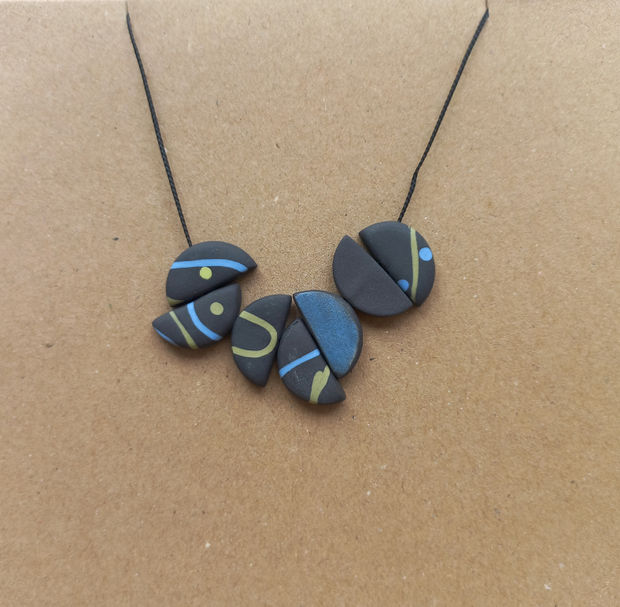
Carol SinclairCeramicSemi Circle Necklace IIVarying DimensionsJewellery Collection
-
Elin IsakssonHand blown glassSmall Dew Drop (Black and Silver)Height: 16 cm
-
Navigating the Practical Aspects of Art Buying
Confident art buying requires understanding practical considerations alongside aesthetic preferences. Knowledge of pricing, payment options and care helps you make decisions that work financially whilst ensuring your collection remains in excellent condition.
Understanding Art Pricing and Value
Art pricing reflects multiple factors: artist reputation and career stage, work size and complexity, materials and technique, exhibition history, and market demand.
Emerging artists' works typically cost less than established names, offering accessible entry points whilst supporting artists early in careers. Mid-career and established artists command higher prices reflecting years of development and collector demand.
Size and complexity significantly influence pricing. Larger works require more materials, studio space and creation time. Understanding these practical factors helps you assess whether pricing reflects genuine value.
For balanced perspectives on buying art primarily for love whilst understanding investment considerations, see our article on Buying Art You Love vs. Art as Investment.
Payment Schemes and Accessibility
Interest-free payment schemes make original art more accessible. The OwnArt scheme, offered through Graystone Gallery, provides interest-free credit for purchases between £100 and £25,000, spreading payments across ten months.
Payment flexibility transforms art buying from occasional major purchases to ongoing collecting practice. Rather than saving for years for one significant piece, you might acquire several works you love over the same period.
Caring for Your Collection
Art requires basic care to maintain its beauty over decades. Environmental stability matters most: avoid direct sunlight, maintain consistent temperature and humidity, position works away from heat sources and high-moisture areas.
Regular gentle dusting with soft brushes keeps surfaces clean. Never use cleaning products on art surfaces; professional conservation addresses any issues beyond simple dust removal.
Professional framing provides both protection and presentation. Investment in proper framing at acquisition saves expensive restoration later whilst ensuring work looks its best from the start.
Finding Art You'll Love at Graystone Gallery
Graystone Gallery's collection represents carefully curated contemporary Scottish art across styles, subjects and price points. Our curation focuses on artists demonstrating both technical skill and authentic vision.
Our Curatorial Approach
We select artists based on artistic integrity, technical accomplishment and authentic connection to Scottish artistic traditions. This curatorial philosophy ensures every piece demonstrates quality and genuine expression.
Our collection spans atmospheric landscapes to dynamic abstractions, from established names to emerging talents. This diversity means collectors with varied visual languages find work that speaks to them whilst maintaining confidence in consistent quality standards.
Services Supporting Confident Choices
Our services remove traditional barriers to art collecting. Try-before-you-buy lets you experience art in your actual environment. In-situ viewing uses technology to show how works would appear on your walls. Personal guidance provides expert insight without pressure.
Moving Forward with Confidence
Finding art you'll love combines trusting your instincts, understanding your preferences, and making informed practical decisions. Start where you are. Notice what attracts you. Pay attention to patterns. Test preferences in your actual environment. These practices, repeated over time, develop your eye and build collecting confidence.
Remember that loving art doesn't require knowing everything about art history or market dynamics. It requires paying attention to your genuine responses, understanding what creates them, and choosing work that continues rewarding that attention over time.
Ready to discover art you'll love? Visit Graystone Gallery to explore our collection of contemporary Scottish art and begin building a collection that reflects your unique visual language.
Explore our collection or visit our gallery in Edinburgh's Stockbridge district.
Frequently Asked Questions
How do I know if I'll still love a piece in five years?
The best predictor is whether a piece reveals new qualities on repeated viewing rather than delivering all impact immediately. Works with visual complexity, subtle colour relationships or layered meaning tend to sustain interest. Try-before-you-buy programmes help test this.
Should I buy art that matches my décor or choose pieces I love regardless?
Both approaches work. Art can beautifully complement existing palettes, but it can also provide intentional contrast. The key is conscious choices rather than accidental mismatches. Many collectors find that art they truly love justifies minor décor adjustments.
What if my taste changes over time?
Taste evolution is natural and often enriching. Well-chosen pieces from earlier collecting phases often retain appeal even as new interests develop. If certain works no longer resonate, consider rotating them to different spaces or selling them to fund new acquisitions.
How much should I spend on art?
Spend what feels comfortable within your means whilst valuing the art appropriately. Payment schemes like OwnArt make larger purchases manageable without requiring lump sums.
Is it worth buying from emerging artists?
Both emerging and established artists offer different satisfactions. Emerging artists provide accessible entry points and the pleasure of discovering talent early, whilst established artists offer proven quality. Many collectors build balanced collections including both.
How do I start if I've never bought art before?
Start by exploring galleries without purchasing pressure. Use try-before-you-buy services to test responses. Make your first purchase something you genuinely love at a comfortable price, establishing positive collecting experience.