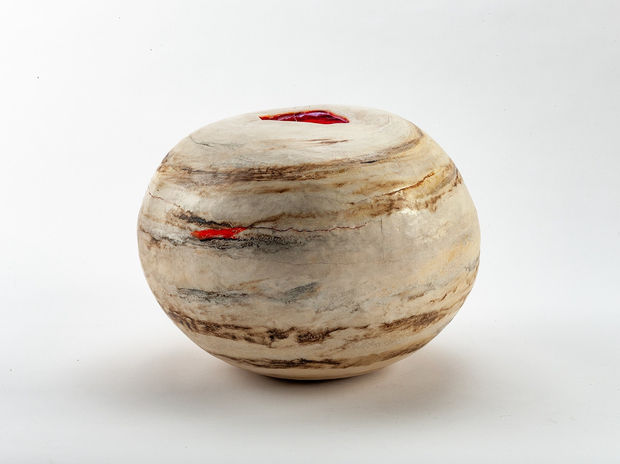
Ceramic art represents one of humanity's oldest and most enduring forms of creative expression. From the earliest vessels shaped by firelight to the conceptual installations gracing contemporary galleries, artists have transformed humble clay into objects of profound beauty and meaning.
Today, ceramic art encompasses remarkable diversity: functional pottery elevated through exceptional craftsmanship, decorative pieces that bring beauty into our homes, and sculptural works that challenge our understanding of what this ancient medium can achieve.
This guide brings together everything collectors need to know about ceramic art, from understanding different approaches and techniques to discovering the artists who have shaped this vibrant field. Whether you're new to ceramics or building an established collection, these pages will deepen your appreciation and help you find works that resonate with your own aesthetic sensibilities.
In This Guide:
-
Why Collect Ceramic Art
Ceramic art offers collectors something unique. Unlike paintings that must be viewed from a distance, ceramics invite close inspection and, in some cases, handling. The tactile dimension of ceramic appreciation adds a sensory richness that few other art forms can match.
There is also something profoundly satisfying about objects shaped by human hands from earth and fire. In an age of digital experience and mass production, handmade ceramics carry visible traces of their making: the subtle asymmetry of a thrown form, the individual character of a hand-applied glaze, the atmospheric markings left by flame and smoke. These qualities connect us to ancient traditions whilst offering something no factory can replicate.
Ceramic art also bridges the gap between fine art and daily life in ways that paintings or sculptures cannot. A beautifully crafted bowl can elevate the simple ritual of morning tea, whilst a decorative vessel might serve equally well holding flowers or standing empty as a sculptural presence. This dual nature, both functional and aesthetic, gives ceramics a particular intimacy in our homes.
-
 Jennie McCallStonewareLarge PotHeight: 25 cm, Width: 33 cm
 -
Janene WaudbyCeramicSmall Blue & Green Smokefired Bottle IIHeight: 19 cm
Widest part: 10 cm -
Janene WaudbyStoneware and mixed mediaLarge Pod Vessel (Grey)Height: 18 cm
Widest part: 16 cmP1 -
-
Ceramic Art in Scotland
Scotland has a distinctive ceramic heritage shaped by its landscape, culture and artistic traditions. From historic potteries like the celebrated Wemyss Ware in Fife, famous for its cheerful hand-painted decoration, to today's thriving studio scene, Scottish ceramics reflect both practical necessity and creative ambition.
Contemporary Scottish ceramicists draw inspiration from the country's dramatic coastlines, ancient landscapes and rich cultural history. Many explore the relationship between vessel and sculpture, creating works that serve equally well as functional objects and decorative art. Edinburgh's gallery scene, including the Stockbridge art district where Graystone Gallery is located, provides important platforms for this work, with annual events like Potfest Scotland bringing makers and collectors together.
At Graystone Gallery, we represent ceramic artists whose work embodies these Scottish qualities whilst engaging with international traditions. Judith Davies transforms coastal discoveries into contemplative forms in her Touchstone and Hagstone series. Janene Waudby creates atmospheric smokefired vessels celebrating the transformative power of fire. Jo Gifford's Ambiguous Objects challenge assumptions about what ceramics can be. Arran Ross brings playful energy through his Astronaut and Buddhanaut series. Each demonstrates the remarkable range of contemporary Scottish ceramic practice.
Frequently Asked Questions
What is ceramic art?
Ceramic art encompasses all artistic works created from clay and fired at high temperatures. This includes functional pottery such as tableware and vessels, decorative objects made primarily for aesthetic appreciation, and sculptural works that exist purely as art. The medium bridges craft and fine art, with contemporary ceramic artists working across this full spectrum.
What are the main types of ceramics?
The three main types are earthenware (low-fired, porous clay often with warm terracotta tones), stoneware (high-fired, durable clay that becomes non-porous) and porcelain (refined, high-fired clay known for its white colour and translucency). Each type has distinct characteristics that influence its suitability for different artistic purposes.
How do I start collecting ceramics?
Begin by visiting galleries specialising in contemporary ceramics to develop your eye and understanding of different approaches. Trust your aesthetic responses: the pieces that speak to you most strongly are likely to continue giving pleasure over years of ownership. Consider how works will live in your space, and build a collection around genuine personal response rather than following market trends.
Why choose handmade ceramics over factory-made pottery?
Handmade ceramics offer individuality that mass production cannot replicate. Each piece carries the maker's personal imprint: subtle variations in form, unique glaze characteristics and visible traces of the making process. Choosing handmade supports individual artists and traditional craft skills, whilst bringing objects of genuine character and human connection into your home.
Is ceramic art a good investment?
The market for both contemporary and historic ceramics has grown substantially, with works by established figures commanding significant prices at auction. However, the primary value of ceramic art lies in the daily pleasure it brings rather than potential financial return. Collecting based on genuine aesthetic appreciation tends to create the most satisfying results.
How should I care for ceramic art?
Most glazed ceramics can be dusted gently and wiped with a damp cloth if needed. Display pieces away from high-traffic areas where they might be knocked. Unglazed or specially fired pieces may be more porous and should be kept dry. For detailed guidance, see our complete artwork care guide.
Explore Ceramic Art at Graystone Gallery
Ceramic art offers something unique in contemporary practice: objects that combine ancient craft traditions with modern artistic vision, that can serve practical purposes whilst functioning as genuine works of art, and that carry the warmth and individuality of handmade creation.
From contemplative vessels inspired by Scotland's coastlines to playful figurative sculptures, from smokefired forms with unique atmospheric surfaces to delicate works exploring cultural heritage, our collection demonstrates the remarkable range of contemporary ceramic practice.
We invite you to visit the gallery in Edinburgh's Stockbridge and discover ceramic art that resonates with your own aesthetic sensibilities.
Related Resources
Ceramics Art: A Collector's Guide
Famous Ceramic Artists: From Historic Pioneers to Contemporary Masters
Sculptural Ceramics: A Guide to Abstract Ceramic Sculpture
Decorative Ceramics and Handmade Ceramics: A Collector's Guide
How To Choose Art For Your Home